Cheesecake Recipes & Baking Tips


Cheesecake has a reputation for being finicky — prone to cracking, lumpy batter, soggy crusts. As a pastry chef I’d argue it’s actually one of the more forgiving desserts once you understand what you’re really making.
Table of contents
In the US, “cheesecake” almost always means a baked cheesecake — rich, creamy and set with eggs. That’s the style I bake and the style covered here.
A baked cheesecake is essentially a custard, and like any custard it just needs gentle heat, a little patience, and a few key techniques. Get those right and you can make any cheesecake on this list with confidence.
No-bake and soufflé-style cheesecakes are also wonderful, but the tips outlined here refer specifically to traditional baked cheesecakes.
Tips for making perfect baked cheesecakes
Which pan to use
Most cheesecake recipes recommend using a spring form pan. Because the sides release from the cake, the cheesecake is easily removed from the pan.
I don’t bake cheesecakes in a spring form pan. Almost every spring form pan I’ve ever owned becomes a bit warped over time, making it almost impossible to bake in a water bath without leaking, and I find wrapping the pan in foil tedious and not always water proof.
I use a regular cake pan, the bottom lined with parchment paper. To release the cake I dip the bottom of the pan in hot water (or use a blow torch!) to release the cold cake from the pan. Because a baked cheesecake is quite firm when it’s chilled, it’s easy to turn it out from the pan without any damage.
How to avoid lumps in cheesecake batter
A silky, smooth cheesecake batter will bake into a silky smooth cheesecake. A batter pocked with lumps of unmixed cheese will bake with lumps and gaps in the cake.
The trick to a silky smooth cake is to gradually match the texture of thick cream cheese to the thin batter. There are two key techniques to make that happen:
- Make sure the cream cheese is softened to room temperature before mixing. A softer cheese will more readily mix with liquid ingredients and eggs.
- Thoroughly scrape the bowl and beater after mixing the cheese and sugar, and after adding wet ingredients such as sour or heavy cream. Finally, and importantly, scrape the bowl after each addition of eggs to the batter.
How to prevent cracking
When a cheesecake rises during baking and then shrinks while cooling cracks can form in the surface. While we want a typical cake to rise in the oven for a light and airy texture, the opposite is true for a cheesecake.
Here are five ways to prevent cheesecakes from cracking:
- Mix the batter gently and don’t overmix. Vigorous mixing or over mixing can introduce air into the batter which causes the cheesecake to rise in the heat of the oven.
- Always bake the cake in a water bath to keep a consistent temperature. Just like any other custard, a cheesecake needs to bake at low temperature. This gives any air trapped in the batter time to dissipate before the batter sets and prevents the eggs in the batter from setting too fast.
- Don’t overbake the cake. Overbaking causes the cake to lose too much moisture and shrink, which causes cracks.
- Do not use the convection setting of your oven as it may cause too much browning and puffing on the top of the cake.
- Cool the cheesecake gradually before chilling. This gives the cake time to settle before it sets. Some recipes recommend that you leave the baked cheesecake in the oven as it cools. The reasoning being that the cake will cool very slowly so it won’t shrink and crack.
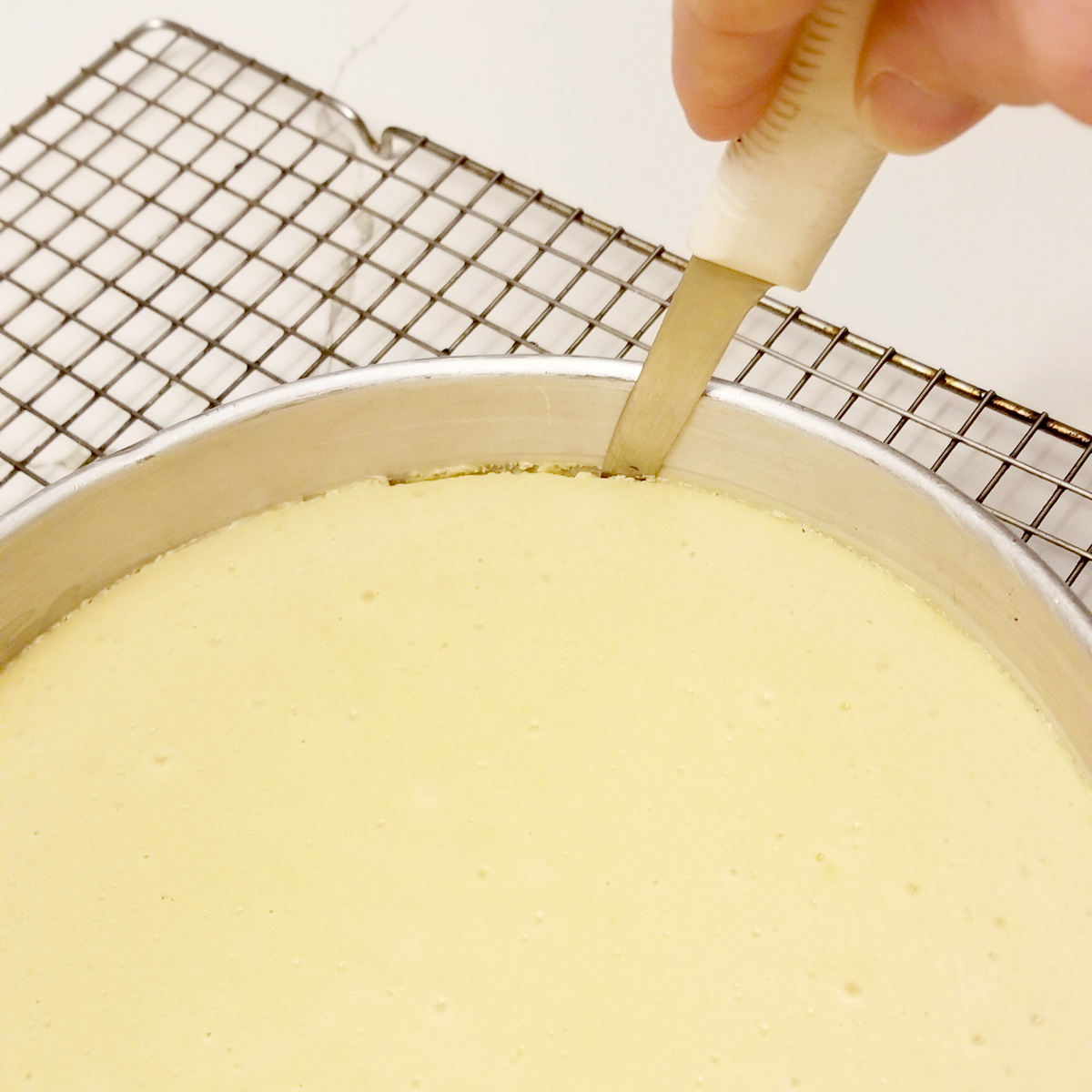
In order to not tie up my oven, I remove the cake as soon as it’s done. I allow it to cool for a few minutes, then I run a thin paring knife around the sides of the warm cheesecake. This will release the sides of the cake from the pan so it doesn’t pull and crack as it cools.
Storage and Serving Tips
- Because they’re made with dairy products, cheesecakes should be stored in the refrigerator. They’ll keep for 3-4 days, cover to prevent drying out.
- Most cheesecakes can be baked ahead and frozen for up to 2 months. Generally, toppings should be added after defrosting the cake.
- Cheesecakes should be served chilled/cool but not very cold. Allow the cake to soften slightly at room temperature for an hour or so before serving. A slightly softened cake has a fuller flavor than a very cold cake.
- For serving neat slices, use a warm knife to cut the cake and wipe the blade with a damp towel between cuts.
Cheesecake Recipes
Cheesecakes
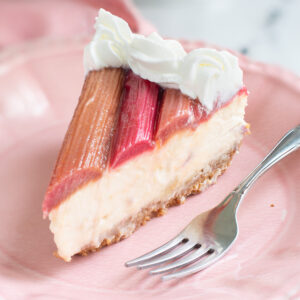
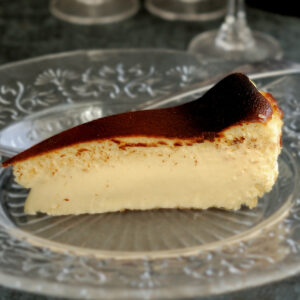
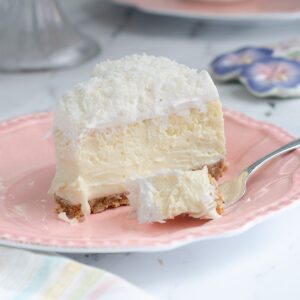
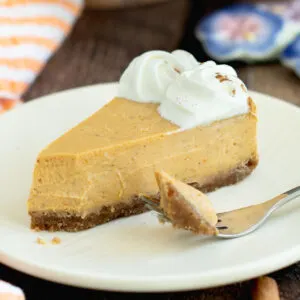
Creative Cheesecake Recipes