
Italian Bread Recipe
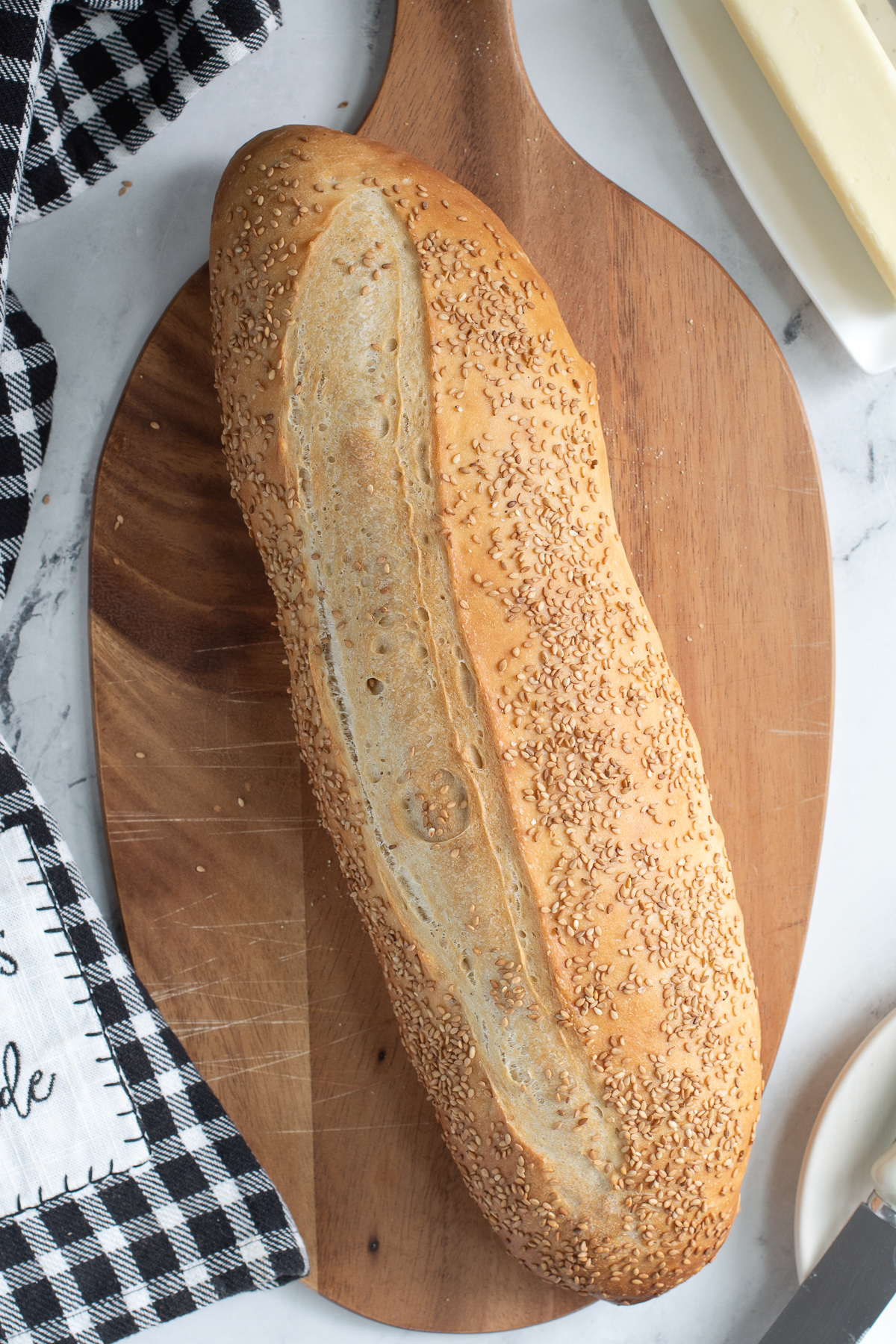
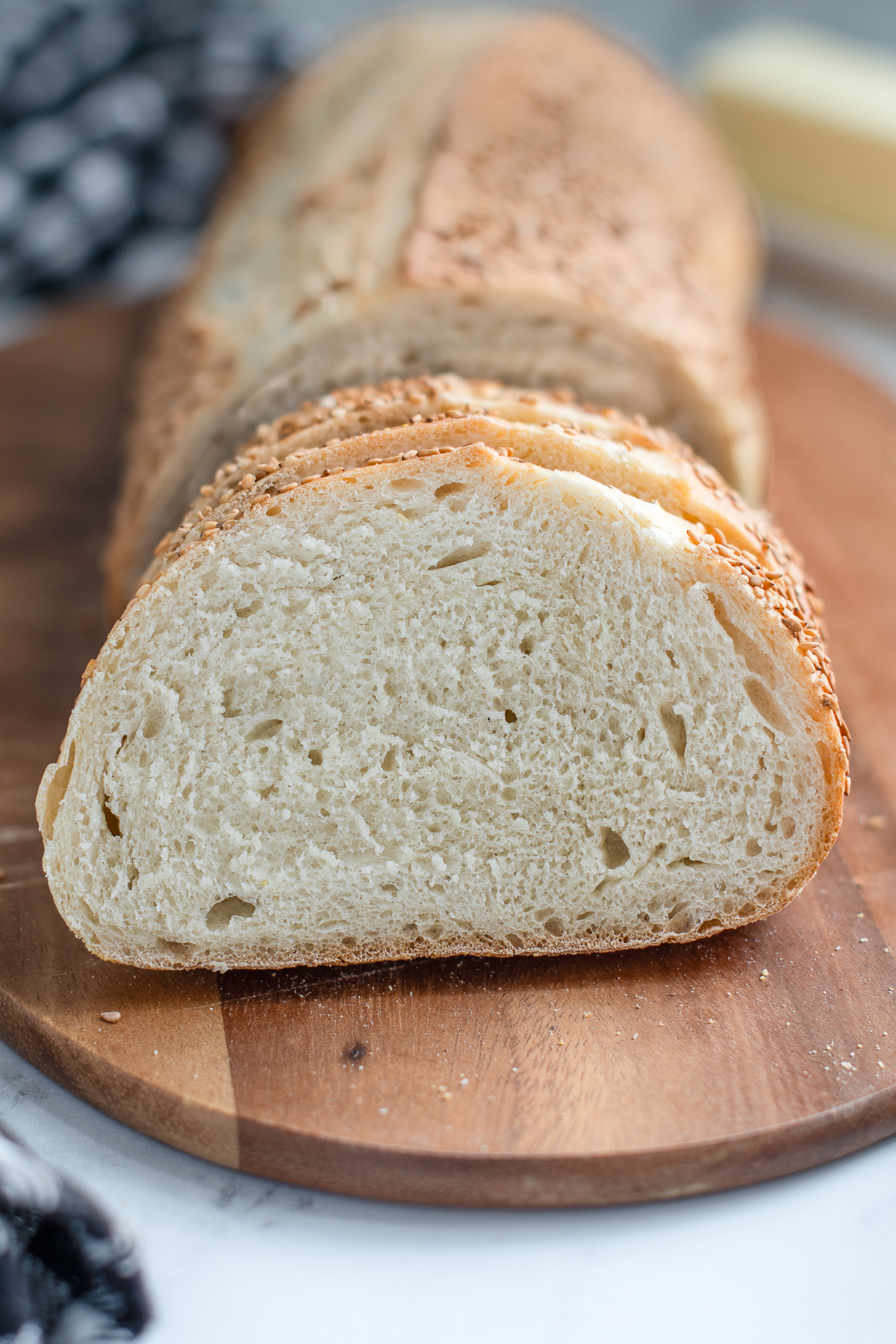
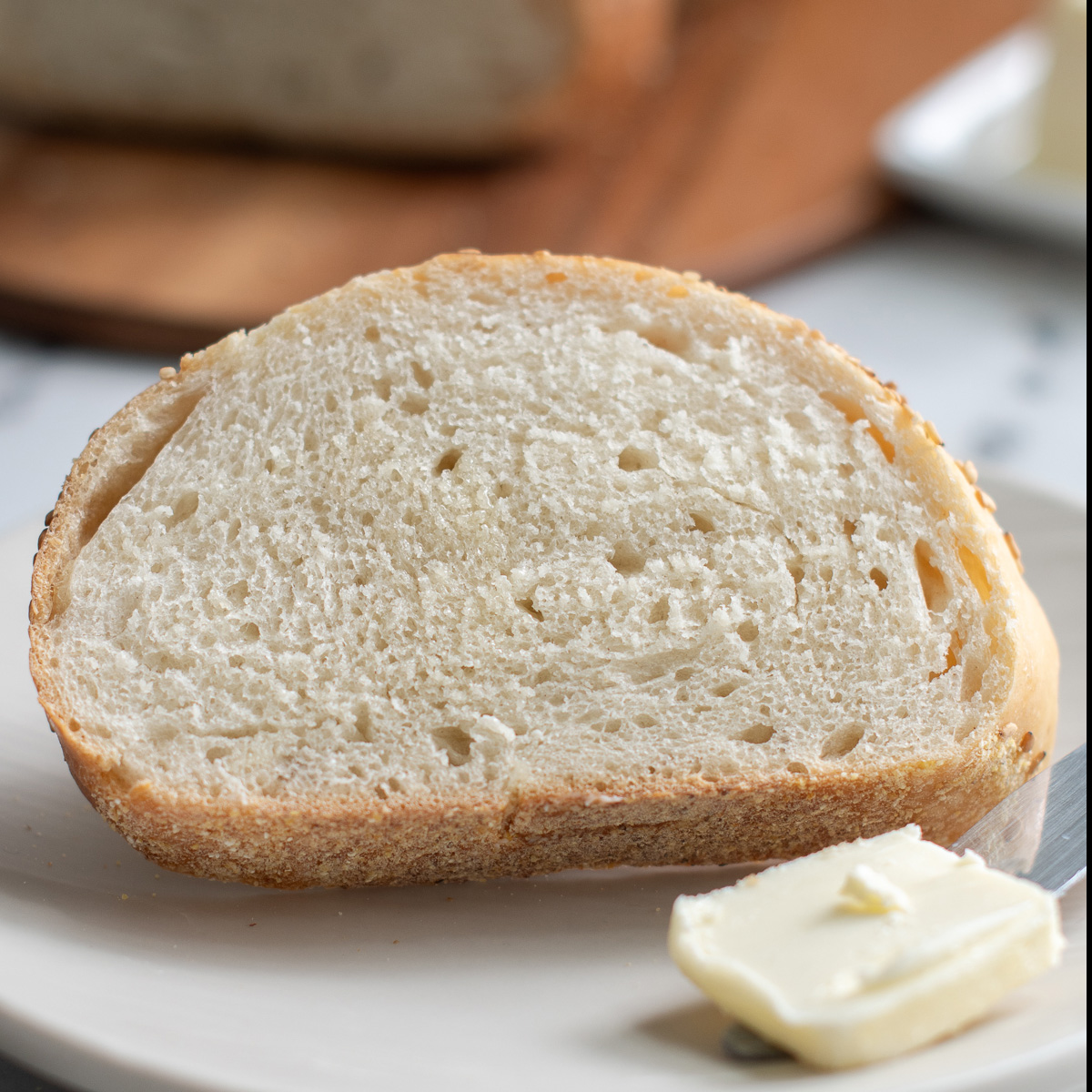
This Italian bread recipe makes a classic torpedo-shaped loaf with a thin, crackly crust and a light, airy crumb — the kind I grew up eating in the New York/New Jersey area. The key to great flavor is an overnight cold fermentation. Mix the dough one day and bake fresh loaves the next. Sesame seeds finish it off with that classic bakery look. Nothing from the grocery store comes close.
Why This is a Good Italian Bread Recipe
✓ Well Tested
This recipe was developed by me in my kitchen. It was tested repeatedly to fine tune the mixing, rising, shaping and baking processes, and to perfect the texture and flavor of the crumb and crust.
✓Classic Italian Bread Flavor and Texture
While there isn’t really an “official” definition of Italian Bread (all bread made in Italy would be Italian bread by definition) I based this recipe on the Italian bread I grew up with in the New York/New Jersey region. In my area “Italian Bread” was always a long, torpedo-shaped loaf — slightly beefier in shape than a French baguette, with a light crumb and thin, crisp crust.
This bread also comes in a sourdough version — check out my Sourdough Italian Bread if you’ve got a starter to use.
✓ Versatile
This bread has a light crumb that is made for sopping up the tomato sauce with your pasta dinner or making fantastic garlic bread. The wide shape of the loaf is also perfect for cutting into slabs to build epic sandwiches.
Ingredient Notes
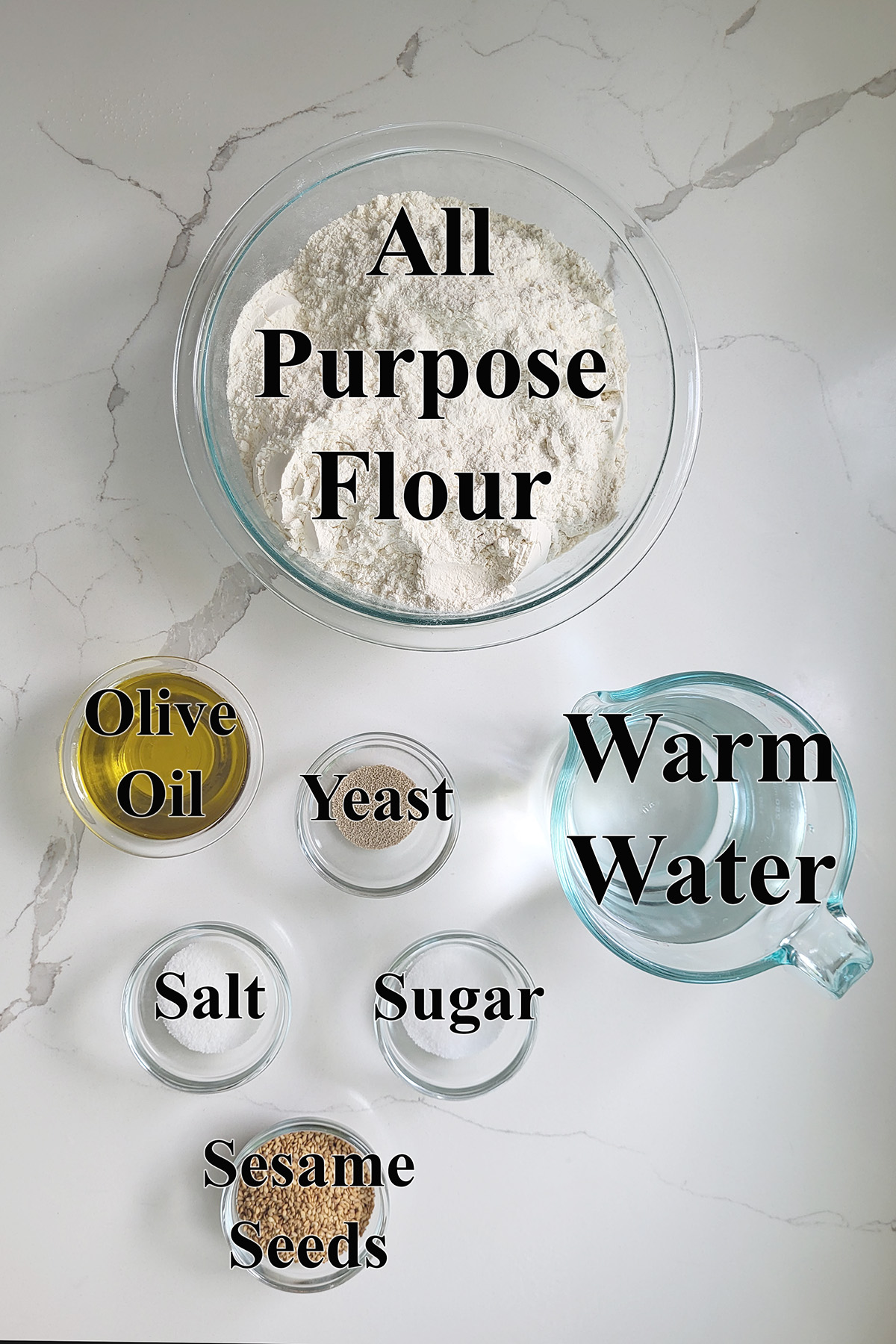
- All-Purpose Flour — Medium-protein AP flour builds a strong enough gluten network for good oven spring while keeping the crumb light and tender.
- Active Dry Yeast — Active dry yeast supports the slow, steady rise we want while chilling the dough overnight. If you plan to skip the refrigeration step and make the bread the same day, you can use instant yeast for faster rise times.
- Olive Oil — A small amount enriches the crumb and adds flavor.
- Sugar — Tenderizes the crumb, adds flavor, and promotes browning on the crust.
- Sesame Seeds — Optional, but highly recommended. They add nutty flavor and a little crunch.
- Egg White — Brushing the loaf with egg white gives the loaf a crisp finish and helps the sesame seeds stick to the crust. You can use whole egg for a shinier and browner crust, or use water to keep the bread vegan.
Process Photos
Here’s what the recipe process looks like at each stage. Refer to the recipe card below for measurements and exact instructions.
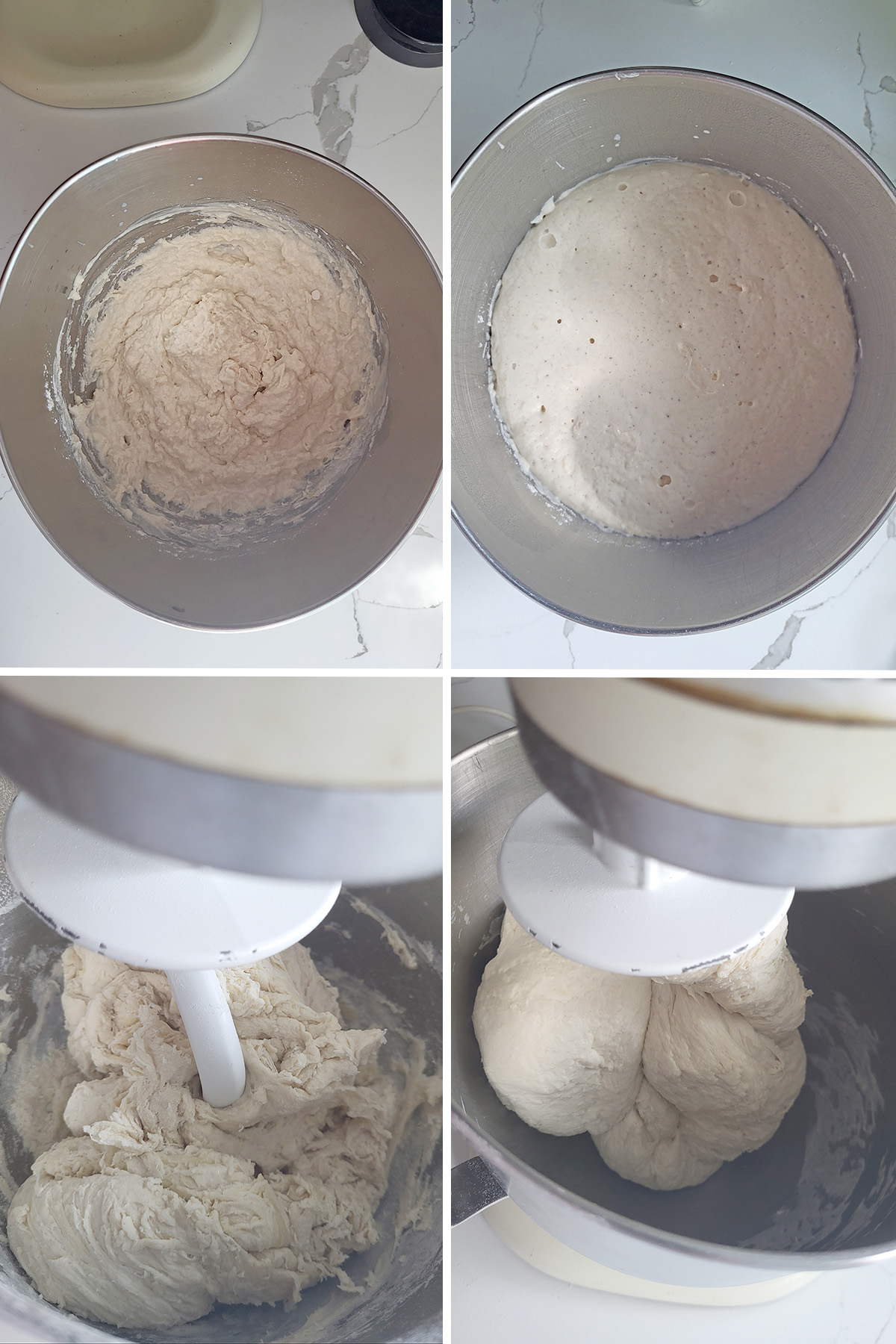
- Combine the water, yeast and half of the flour in a mixing bowl and set aside for 30–60 minutes. This resting time allows the flour to absorb water and jumpstarts gluten formation.
- Add the remaining ingredients and mix until combined. The dough will be quite shaggy at first.
- Knead with the dough hook for about 5 minutes until the dough clings to the hook and clears the sides of the bowl. If mixing by hand, stir in the ingredients and finish kneading in the flour by hand.
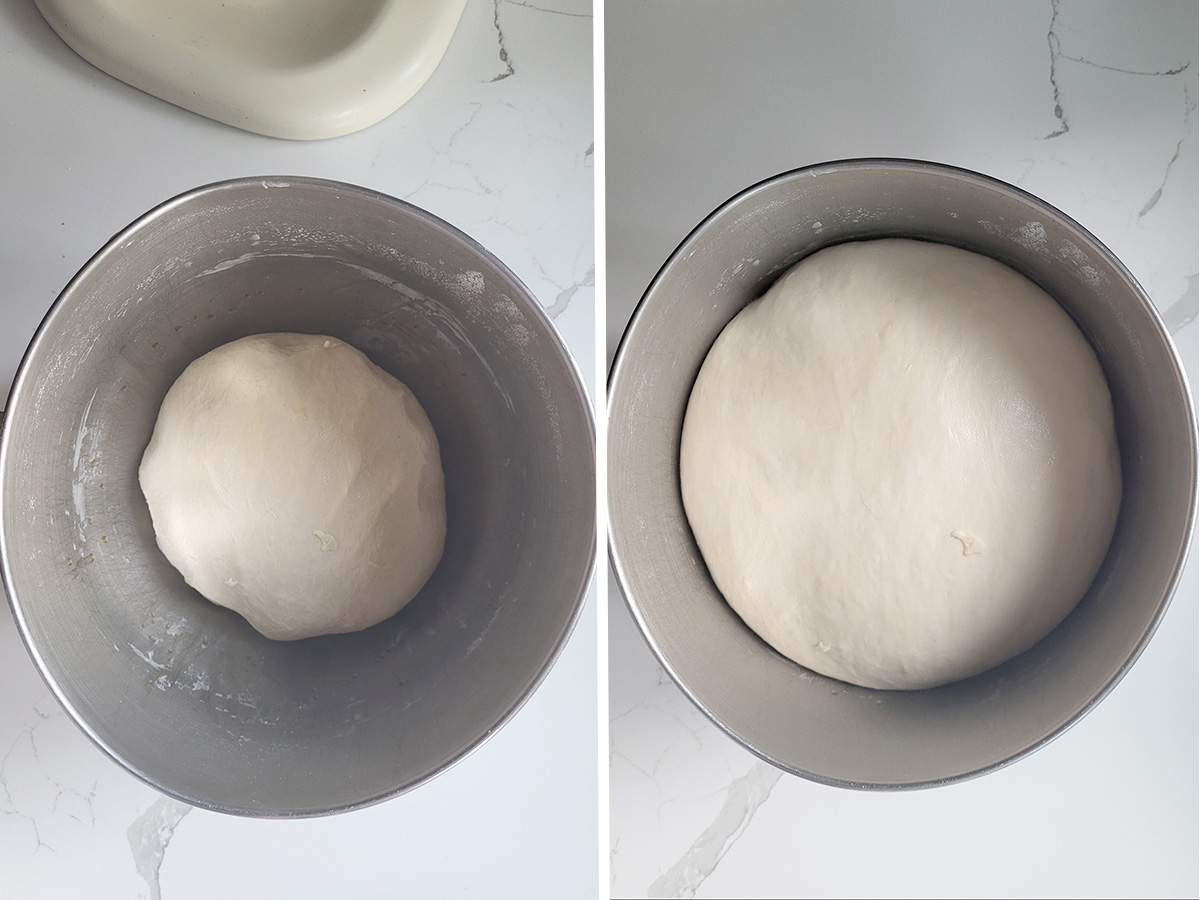
- Set the dough aside to rise until doubled in volume, about 1-1.5 hours at room temperature.
- After the first rise, knead the dough, return it to the bowl. Cover the bowl tightly and transfer it to the refrigerator for an overnight cold fermentation. At this point you can choose to shape and bake the loaves the same day.
Why Chill the Dough?
Chilling the dough slows down yeast activity. This slow-down causes the yeast to produce different, and more interesting, flavor compounds. The long, cool rise also gives enzymes in the flour time to improve the gluten structure for easier shaping and better oven-spring.
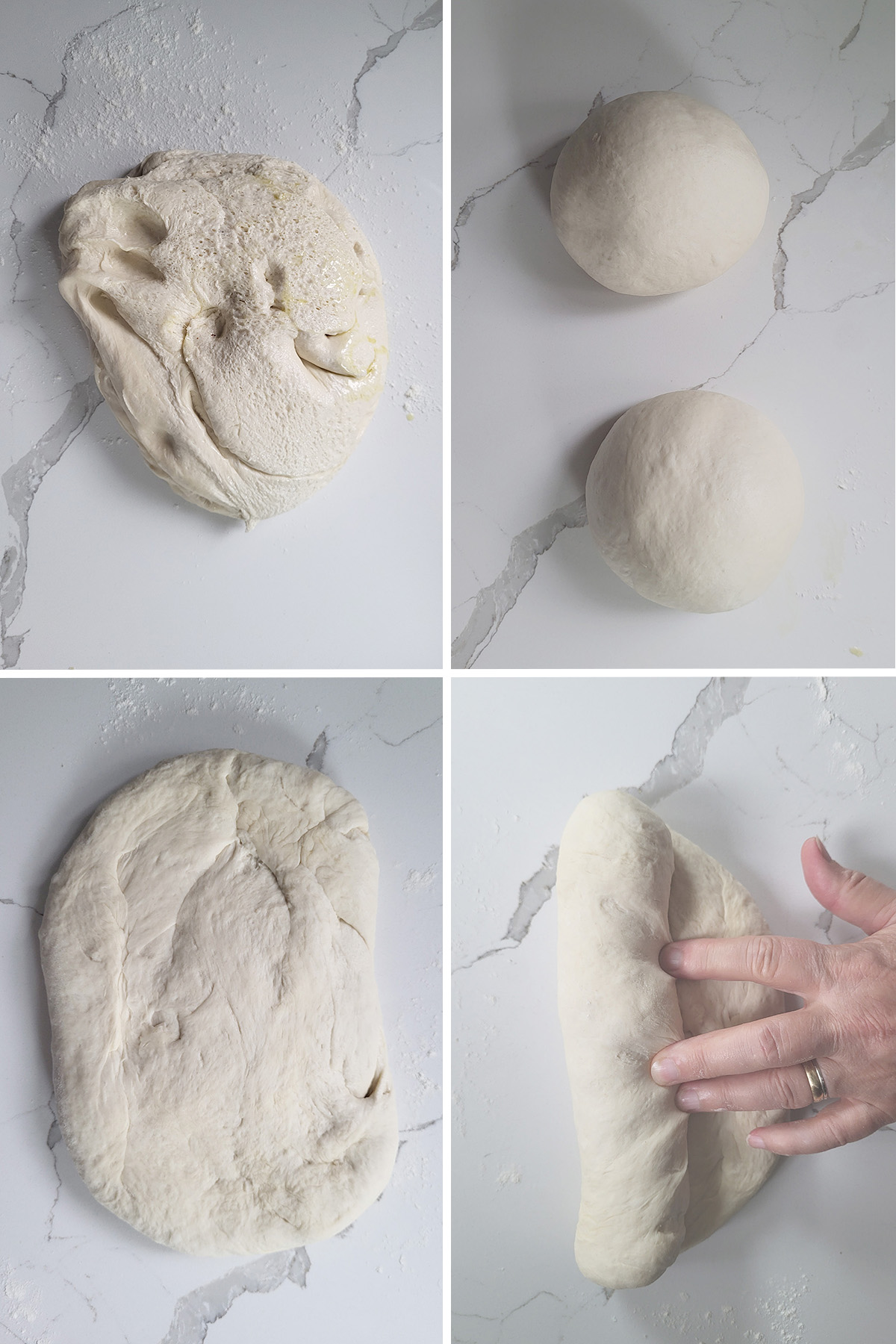
- Divide the dough into two equal pieces and knead briefly to deflate any large air bubbles and reorganize the gluten. Form each piece into a ball and let it rest for 20 minutes.
- Pat each ball into a roughly 8″×4″ oval and begin to roll from the top edge like a jelly roll.
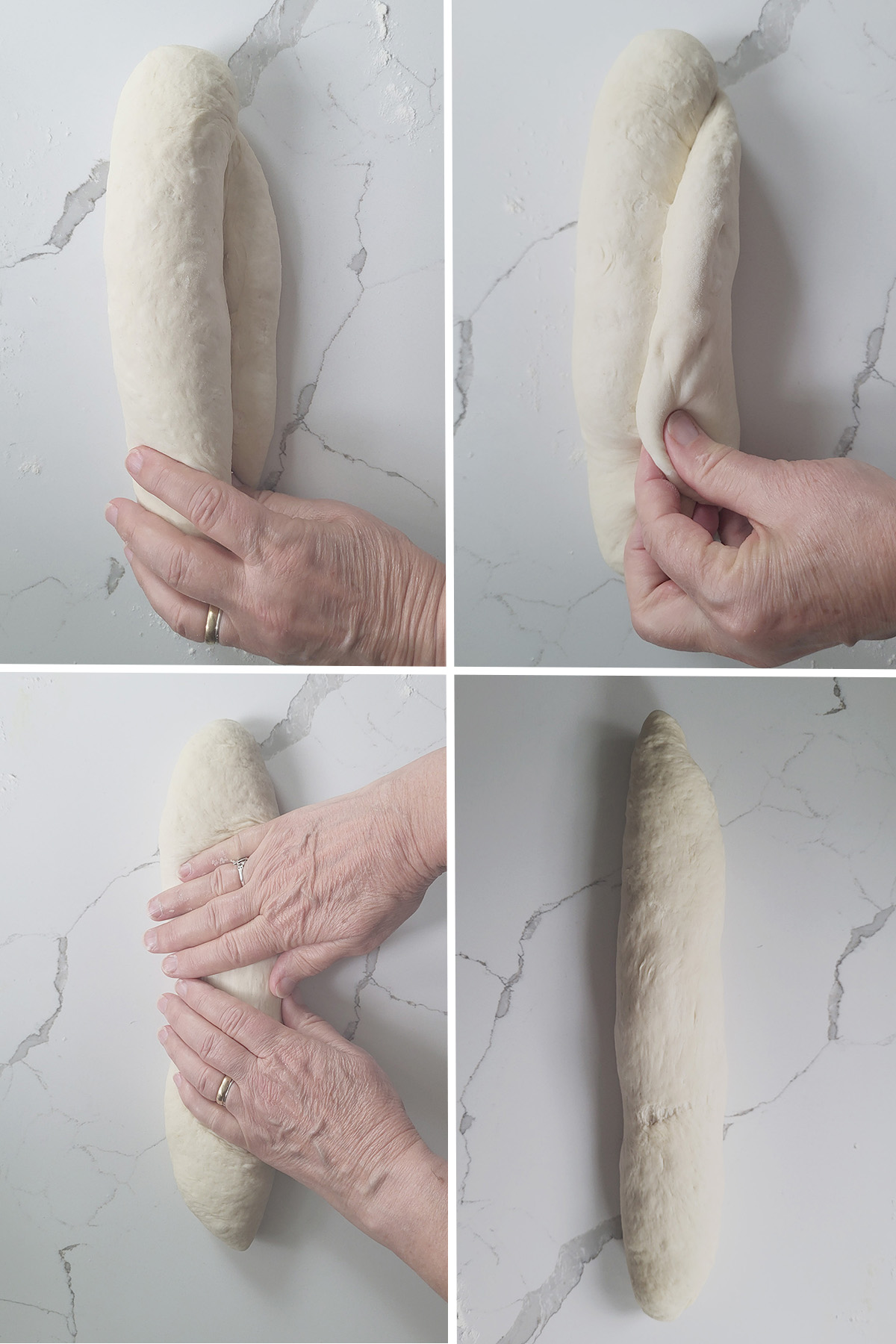
- Continue to roll the dough into a cigar shape, lightly pulling on the dough as you go to form a taut skin on the loaf.
- Pinch the seam closed.
- Slowly and methodically, roll the log back and forth from the center outward until you have a 14″ torpedo shape.
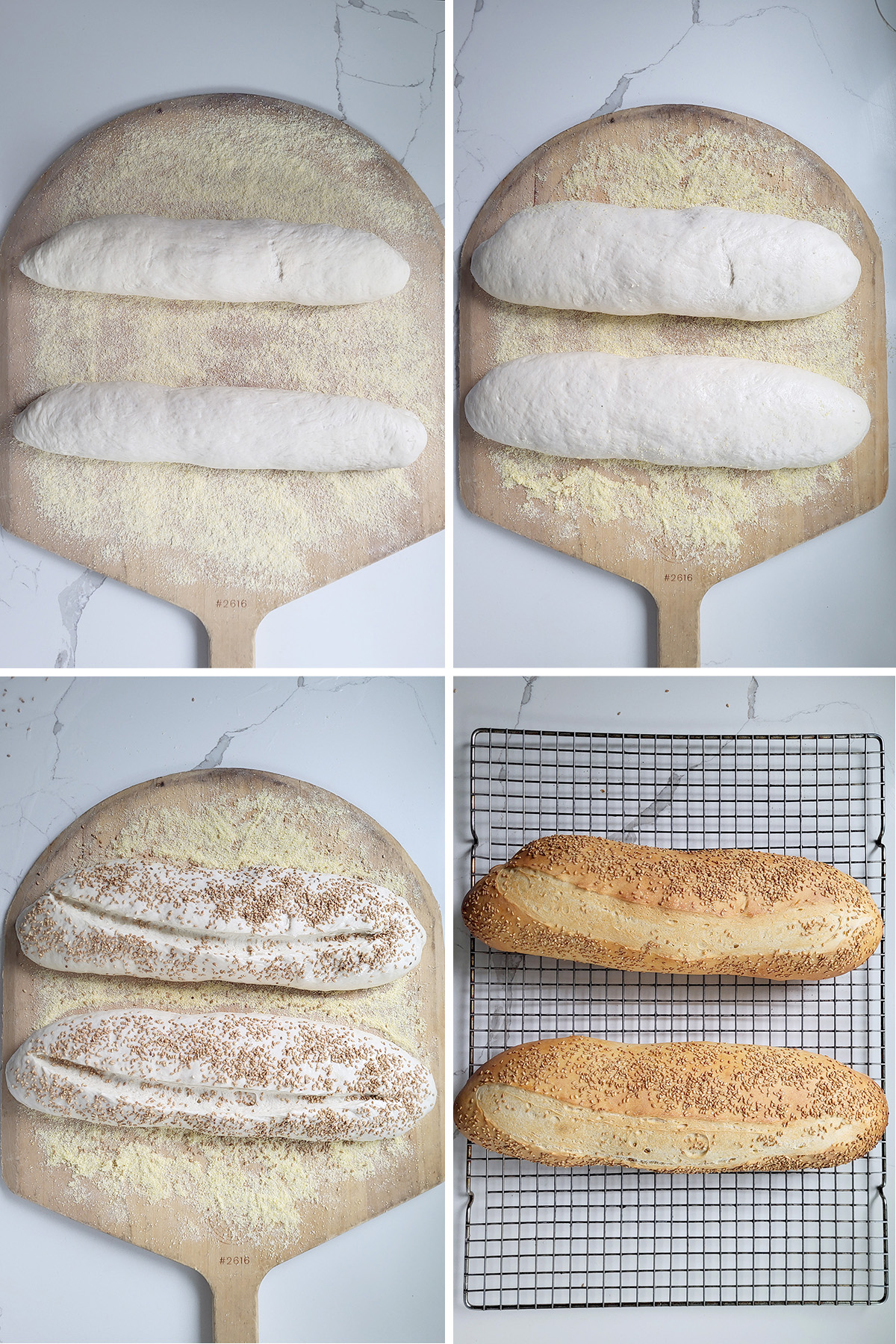
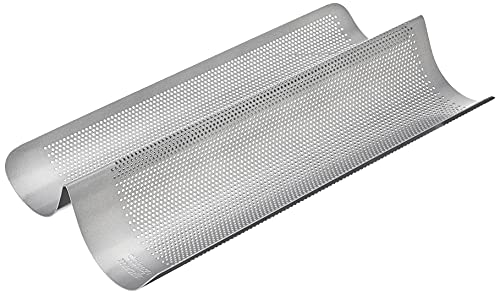
- Arrange the loaves on a baking sheet, wooden peel or in an Italian bread pan.
- Let rise until doubled and the dough springs back slowly when poked.
- Score, glaze with egg white, and sprinkle both loaves with sesame seeds.
- Bake until golden brown.
Work Ahead Tips
If you do the cold overnight fermentation, this recipe is naturally a make-ahead recipe. The dough can be held in the refrigerator up to 2 days.
More Bread Recipes
Loved this Italian bread? Here are a few more bread recipes from the site worth trying: airy, crusty Ciabatta, perfect for soaking up olive oil or building a sandwich; soft Hoagie Rolls made for stuffing with cold cuts; classic Pizza Dough for homemade pies; and golden Focaccia for dipping or snacking on its own.
If you love this recipe as much as I do, I’d really appreciate a star rating and a quick comment. Ratings and comments help my recipes show in search results. Thanks!
Italian Bread
Ingredients
- 16 oz warm water (2 cups)
- 2 ¼ teaspoons active dry yeast (1 packet)
- 30 oz all purpose flour (6 cups)
- 1 ½ oz olive oil (3 tablespoons)
- 1 tablespoon sugar
- 1 tablespoon table salt
- 1 egg white (for glazing)
- sesame seeds (for topping)
Instructions
- Combine 16 oz warm water, 2 ¼ teaspoons active dry yeast and 15 oz all purpose flour in a large mixing bowl. Mix until it forms a thick batter. Cover the bowl and set aside for 30-60 minutes.
- If using a stand mixer, change to the dough hook. Add 1 ½ oz olive oil, 1 tablespoon sugar, 1 tablespoon table salt and 15 oz all purpose flour and mix until the dough comes together. Knead for 5 minutes on medium high speed. The dough should gather on the hook and clear the sides of the bowl. If mixing by hand, add as much flour as you can by hand then knead in the remaining flour.
- Place the dough into a lightly oiled bowl, turn once to coat the dough. Cover the bowl and set it aside at room temperature until the dough doubles in volume, about 1½ hours.
- Cover tightly and refrigerate overnight or proceed with forming the loaves to bake the same day.
- Sprinkle a baking sheet or Italian bread pan generously with cornmeal. If you will bake on a baking stone use a baking peel or use the back of a baking sheet so you can transfer the bread to the baking stone.
- Remove the dough from the refrigerator and dump it onto floured surface. Cut the dough into two equal pieces. Briefly knead each piece and then form it into a tight ball. Allow the dough balls to rest for 10 minutes to relax the gluten. Pat each piece of dough into an oval about 8"x4-5". Tightly roll like a jellyroll then pinch the seam closed. Use flat hands to roll the dough from the center out to form a 14” long torpedo shape.
- Place the two loaves side by side onto a baking sheet, wooden peel or into the pan. Cover with a damp kitchen towel and set aside to rise until doubled in size, about 1-1½ hours. The rising time will vary depending if the dough is cold from a night in the refrigerator.
- Meanwhile, preheat the oven to 475 °F . Place a shallow pan on the bottom of the oven to preheat. Just before putting the bread in the oven, pour a ½ cup of hot water into the pan on the bottom of the oven and shut the door to capture the steam.
- Use a very sharp knife or bread lame held at a 30° angle to make 1 long slash along the top of each loaf. Brush lightly with egg white and sprinkle with sesame seeds. Bake until deeply browned and if you tap on the bottom of a loaf it sounds hollow, about 20-25 minutes. The interior temperature should be 200°F.
- Transfer the loaves to a cooling rack and cool to room temperature before slicing.
Would you like to save this recipe?



As an Amazon Associate and member of other affiliate programs, I earn from qualifying purchases.
Delicious. It was just like my Italian grandmother used to make. Primo
Just like Jersey.
Best compliment ever!